
To no surprise, low fitness levels and excessive sitting can negatively impact body composition (i.e., the proportion of fat and lean mass) (1) and are also linked to a greater risk of health issues (2). We all know that consistent strength and/or cardiovascular exercise comes with an abundance of benefits, such as improved body composition and cardiometabolic health (3). Furthermore, we can’t forget about the power of walking! Research suggests that reaching 6,000 to 10,000 steps each day can lead to various health benefits (4) (woohoo!). However, in our fast-paced lives, finding time for a full workout and accumulating sufficient daily step counts can often be challenging and may even seem impossible. Between work, family responsibilities, and social obligations, setting aside an hour for exercise might not always be feasible. Enter "exercise snacks" – short bursts of physical activity that you can sprinkle throughout your day. These mini bouts of movement serve as an excellent way to stay active and reap the benefits of regular exercise without the need for a dedicated time slot.
WHAT ARE EXERCISE SNACKS?
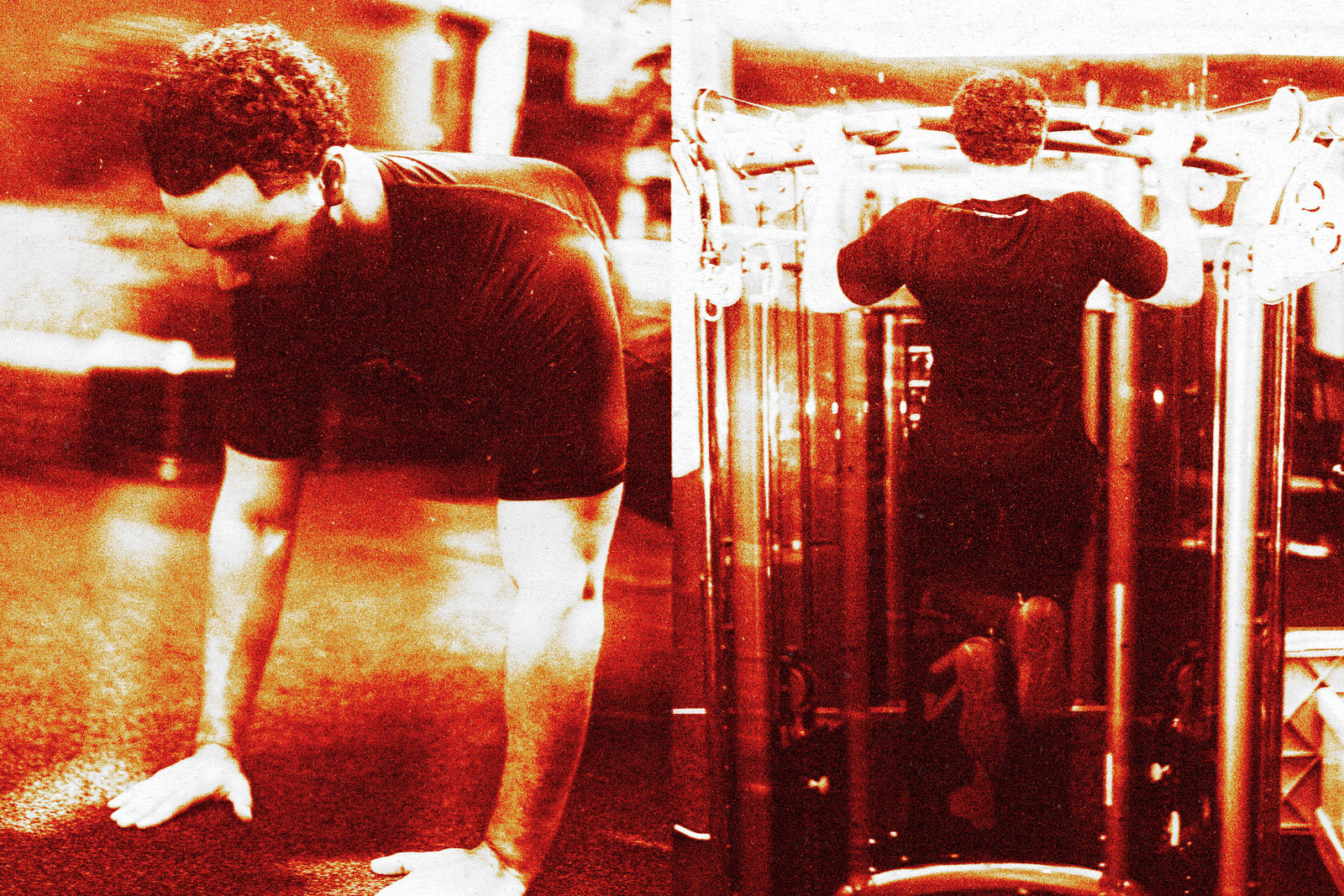
Exercise snacks are brief periods of physical activity, typically lasting between 1 to 10 minutes (5). Unlike traditional workouts, which are often longer and more structured, exercise snacks are designed to be quick and easy to fit into your daily routine. They can include a variety of activities such as stretching, jumping jacks, squats, push-ups, or even a brisk walk.
BENEFITS OF EXERCISE SNACKS
Improved Health and Body Composition: Regular movement throughout the day can help improve cardiovascular health and maintain a healthy weight. Specifically, minimizing long phases of sedentary time can help reduce fat mass and maintain lean mass (1), making exercise snacks a great way to break up continuous periods of sitting.
Enhanced Mood: Everyone thinks of the physical benefits associated with physical activity, but it can improve your mood and reduce stress levels too! A cool research study found that taking a break to perform 5 minutes of moderate-intensity walking every hour for 6 hours resulted in enhanced mood, reduced tiredness, and decreased food cravings (6). Exercise snacks can help you reach your body composition goals while also making you feel better. Awesome, right!?
Now you know what exercise snacks are and their benefits, let’s talk about how to incorporate them into your day!
If you have a desk job, take short breaks every hour to stand up, walk around, or do a few bodyweight exercises. If you have access to a flight of stairs nearby, you can walk or even sprint up and down a few times. Additionally, you can do some jumping jacks, push-ups, mountain climbers, or burpees at your desk. It can be easy to forget to repeat these throughout the day, so try setting a reminder on your phone to take an exercise snack every hour or two!
Other ways to accumulate more daily steps and overall movement throughout the day include choosing the stairs instead of elevators whenever possible. Climbing stairs is a great way to get your heart rate up and strengthen your leg muscles. Walk around your home or office while taking phone calls. This can add extra steps to your day without much effort. Try to park farther back in the lot when shopping or parking at the office as a means to increase walking distance. Lastly, if you have access to a treadmill or walking desk, try propping your work/school notes, phone, tablet, etc., on the center console to read or watch something while walking.
To wrap up, general movement throughout the day can work wonders for your physical and mental health while also helping you reach your body composition goals. Exercise snacks are a practical and effective way to increase your daily physical activity. By incorporating these small bursts of movement into your routine, you can improve your health, enhance your mood, and boost your productivity without the need for a formal workout session. Remember, every little bit counts – so start snacking on exercise today and enjoy the benefits of a more active lifestyle!
References:
1. Júdice PB, Hetherington-Rauth M, Magalhães JP, Correia IR, Sardinha LB. Sedentary behaviours and their relationship with body composition of athletes. Eur J Sport Sci. 2022 Mar;22(3):474–80.
2. Same RV, Feldman DI, Shah N, Martin SS, Al Rifai M, Blaha MJ, et al. Relationship Between Sedentary Behavior and Cardiovascular Risk. Curr Cardiol Rep. 2015 Dec 23;18(1):6.
3. Franklin BA, Thompson PD, Al-Zaiti SS, Albert CM, Hivert MF, Levine BD, et al. Exercise-Related Acute Cardiovascular Events and Potential Deleterious Adaptations Following Long-Term Exercise Training: Placing the Risks Into Perspective-An Update: A Scientific Statement From the American Heart Association. Circulation. 2020 Mar 31;141(13):e705–36.
4. Paluch AE, Bajpai S, Bassett DR, Carnethon MR, Ekelund U, Evenson KR, et al. Daily steps and all-cause mortality: a meta-analysis of 15 international cohorts. Lancet Public Health. 2022 Mar;7(3):e219–28.
5. Islam H, Gibala MJ, Little JP. Exercise Snacks: A Novel Strategy to Improve Cardiometabolic Health. Exerc Sport Sci Rev. 2022 Jan;50(1):31.
6. Bergouignan A, Legget KT, De Jong N, Kealey E, Nikolovski J, Groppel JL, et al. Effect of frequent interruptions of prolonged sitting on self-perceived levels of energy, mood, food cravings and cognitive function. Int J Behav Nutr Phys Act. 2016 Nov 3;13(1):113.